Table Of Content
Overly loose or tight kerning can disrupt readability and the visual flow of a line. Good kerning also helps convey the unique form of each letter, compared to uniformly spaced type. Consider Typography Referenced your one-stop cheat sheet to typographic terminology. Bringhurst takes you deeply into the fine details most designers overlook. For example, entire chapters are devoted to hyphens, dashes, and the humble paragraph.
Designing for Emotion
From this 240-page book, readers will learn how to see and think like a professional graphic designer while receiving tips for designing various media like brochures, newsletters, and flyers. You will also learn how to work with color, typography, and more, with many visual examples, quizzes, and exercises to help you retain what you’ve learned. This offers valuable and ever-relevant advice to novice graphic designers seeking both practical advice and philosophical guidance for starting their careers or creating their own studio.
33 famous graphic designers that everyone should know - Creative Bloq
33 famous graphic designers that everyone should know.
Posted: Thu, 15 Jun 2023 07:00:00 GMT [source]
Ideas and inspiration
In conclusion, mastering graphic design requires more than just talent; it demands dedication, continuous learning, and staying updated with the latest trends. Graphic designers need to delve into graphic design books to enrich their understanding and skills continually. These books not only provide valuable insights but also serve as a foundation for building a successful career in the competitive field of graphic design. Moreover, pursuing an Advanced Certification in UI/UX Design can provide specialized knowledge and skills essential for designing user-centric interfaces and experiences. Remember, creativity, practice, and a thirst for knowledge are the keys to thriving as a graphic designer in the ever-evolving landscape of digital marketing.
Our Business And Leadership Courses Duration And Fees
Since graphic designers create things for other people to see, the very mechanism of seeing becomes highly relevant. Having become a bestseller, this book, based on a BBC documentary, takes a very deep look into how people perceive art. To learn what to expect and how to succeed in this sphere, students should read this entertaining, and insightful book.
Along the way, he discusses how to use symbols effectively and persuasively, solve problems creatively with typography and color, bring order to visual chaos, and define brand identity. Logo Modernism is divided into three main areas, Geometric, Effect, and Typographic, and then subsections, such as alphabet, overlay, dots and squares. It also contains profiles of influential designers, and case studies of significant logo projects, like the Mexico Olympic Games of 1968.
Best Graphic Design Books for Logos
Debbie Millman is best known as the host of the design podcast Design Matters. This book is inspired by the monologues she prepares for each episode and features illustrated essays on life and design. Covering topics ranging from brands and behaviour to rituals, love and music, this book will make you think and occasionally laugh out loud.
Written by Shiva Padival
The authors meticulously categorize and analyze over 6,000 logos, providing a comprehensive overview of the development of corporate identity and brand representation from the 1940s to the 1980s. Logo Modernism serves as a rich source of inspiration for designers while offering a fascinating historical perspective on how logos reflect the cultural and technological shifts of their time. The book’s detailed illustrations and insightful commentary make it an essential reference for understanding the impact and evolution of logo design in the modern era. If you’d like to start a career in this field, you can begin by learning the fundamental principles and technical skills necessary for success.
This must-read graphic design book comprises a collection of twelve deeply personal interviews with graphic design educators of colour who teach at universities and colleges across the US and Canada. Black, Brown + Latinx Design Educators offers invaluable insight into the multitude of experiences of Black, Brown, and Latinx design educators working in the field. If you’re interested in applying your graphic design skills to print, you’ll want to take this opportunity to learn from Marina Poropat Joyce. She founded one of the first design-to-print companies in Los Angeles, and she’s compiled her expert knowledge of the industry into this beautifully designed, reader-friendly book. Beyond the overarching theory of graphic design and all its key principles and techniques, there are also the much finer details that can make or break a project.
Extra Bold: A Feminist, Inclusive, Anti-racist, Nonbinary Field Guide for Graphic Designers by Ellen Lupton et al.

Offering tips on how to put an end to black and white, without hurting your customer’s eyes, the book itself is detailed and visually wonderful. It’s a lovely book to own and browse, as well as being an indispensable educational work on any designer’s bookshelf. Seasoned designer Ilene Strizver boils down the most vital “rules” into a fun, bite-sized reference. Once you've mastered individual typographic elements, you must learn how to bring everything together in page and screen layouts.
Typography is a complex beast, tasking designers to balance many competing factors. In this book, Kim Elam explores eight major structural frameworks beyond the grid. You can also learn how to build a brand strategy, how to choose the right typeface for the job, and how to organize different aspects of a layout to increase the impact and meaning of your message. Grid Systems focus on established tools that are used by print and web designers to create well-structured, balanced designs.
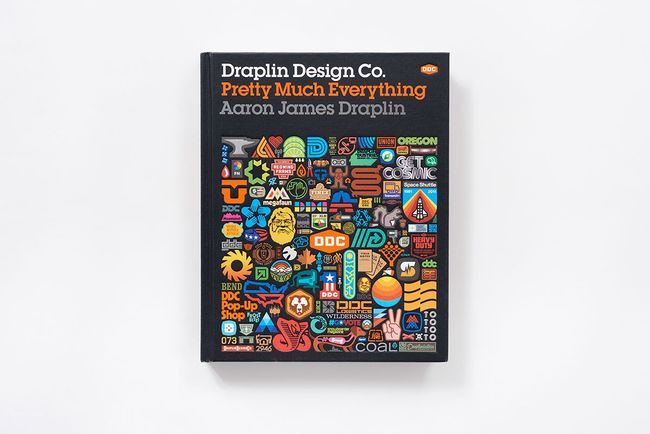
Before we get to the books, let's quickly cover what makes for effective typography in the first place. You need to keep your eyes open for new updates in the field, which might require a more thorough understanding. Being a true representation of the industry, this book has a great cover that features a unique combination of stickers placed manually. It represents the idea uncovered within, the explorative approach of the professionals discussed in the text. Not directly on the subject, this work is still important as the most extensive one on color theory and it touches upon a variety of subjects. The basic things like color relativity, intensity, and temperature are explained alongside the more in-depth color interaction notions like vibrating and vanishing boundaries, the illusion of sheerness and many more.
Although this 176-page book came out in 1996, it offers valuable and evergreen information that you can use even today. Grid Systems in Graphic Design provides readers with a comprehensive guide to using 8 to 32 grid fields in text and image design, with examples and directions. This is a no-nonsense and comprehensive guide for working with grid systems in graphic design involving text and images. This book, written by Alina Wheeler, offers brand managers, marketers, and designers a proven 5-phase process for creating a strong and effective brand identity.


No comments:
Post a Comment